Inclusive Design: The Ethics of the Modern Web
In 2026, web accessibility has transitioned from a "nice-to-have" feature to a fundamental legal and SEO requirement. With the full rollout of WCAG 3.0 (W3C Accessibility Guidelines), search engines now treat accessibility signals as core ranking factors, similar to how they treated mobile-friendliness in the past. An accessible site doesn''t just help users with disabilities; it creates a better experience for everyone, including those on mobile devices or slow connections. If you ignore accessibility, you are effectively fixing poor seo optimization on a broken foundation. This guide explores the technical and ethical pillars of inclusive design.
1. The Technical Shift to WCAG 3.0
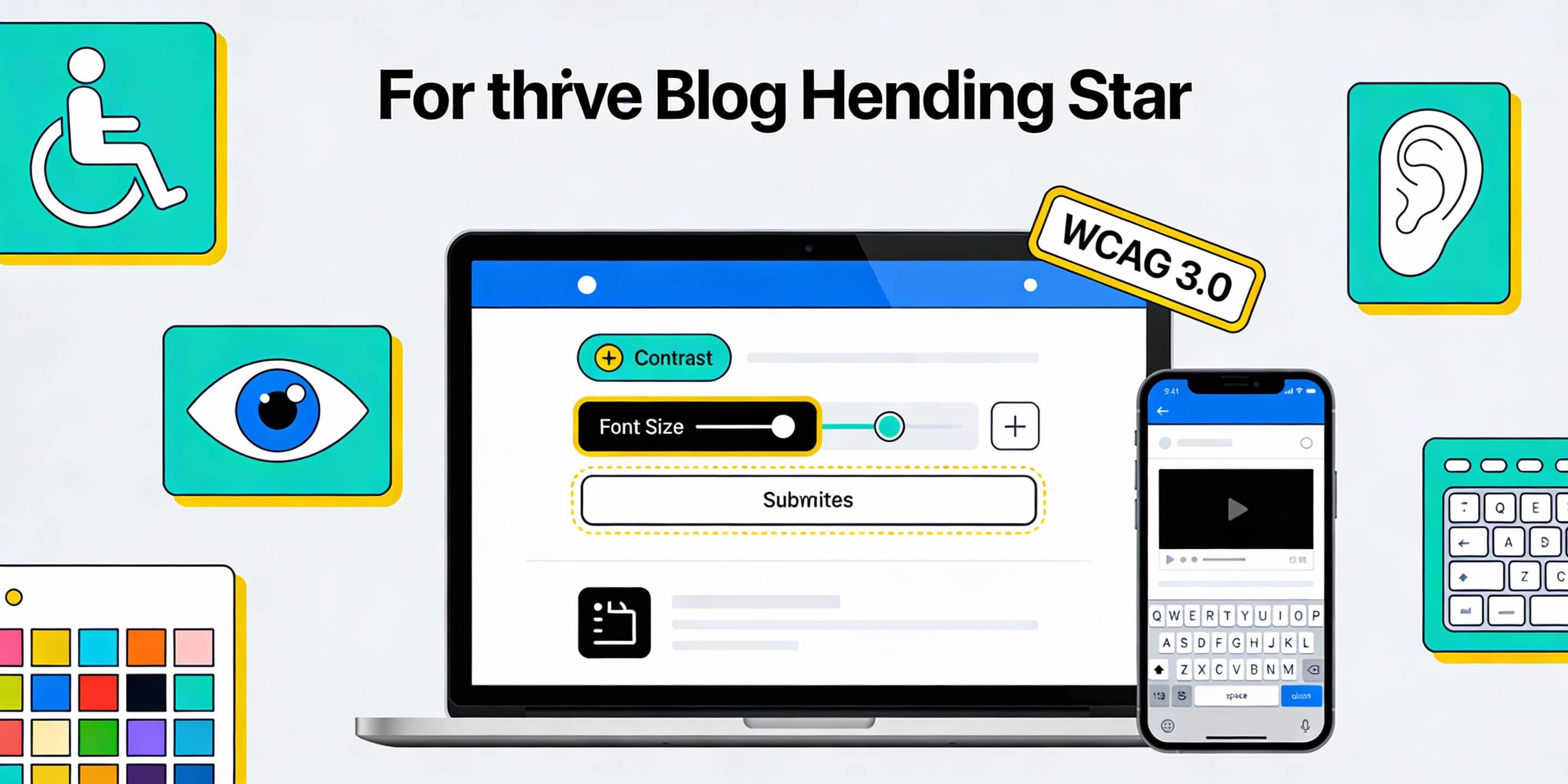
WCAG 3.0 introduces a more flexible scoring system compared to the old A/AA/AAA levels. It focuses on the actual user experience across different disability types rather than just checking boxes.
- Color Contrast and APCA: The new Advanced Perceptual Contrast Algorithm (APCA) replaces old contrast ratios to better reflect how humans actually perceive text against backgrounds.
- Alternative Text (Alt Text) for AI: Beyond accessibility, descriptive Alt Text is how AI search agents understand your visual content.
- Keyboard Navigability: Every element of your site must be usable without a mouse. This is a key part of fixing poor mobile responsiveness.
2. Accessibility as an SEO Powerhouse
There is a nearly 100% overlap between accessibility best practices and SEO best practices. Making your site easier for humans to read makes it easier for bots to crawl.
- Semantic Structure: Using
<header>,<nav>, and<main>tags correctly helps both screen readers and search bots understand your hierarchy. This is the base of the anatomy of a perfect blog post. - Transcripts and Captions: Providing text for video and audio content makes it searchable. This is essential for search everywhere optimization.
- Meaningful Link Text: Instead of "Click Here," use descriptive links like "Download our 2026 SEO Guide." This helps internal link health.
3. Reducing Legal Risk in Singapore
Accessibility is becoming a legal focus globally and within Singapore''s digital inclusion initiatives. Non-compliance can lead to reputation damage and potential legal challenges.
- The Silver Tsunami: With an aging population, ensuring your site is usable by seniors (larger touch targets, readable fonts) is critical for local business success.
- PDPA and Ethical Data: Safe and accessible forms ensure that users can provide their data without frustration. This links to your cybersecurity and privacy trust.
- Brand Authority: Being an inclusive brand is a major signal of high ethics, which is a key part of building authority.
4. Performance and Sustainability
Accessible code is almost always cleaner and faster. By removing unnecessary bloat, you support sustainable web design and improve site speed.
- Reduced JS Dependency: Accessible sites rely more on native HTML/CSS, which improves your INP (Interaction to Next Paint) scores.
- Image Optimization: Using SVG or WebP formats with proper descriptions keeps the site light. Learn how to optimize website images effectively.
- Clean Databases: Removing old, non-accessible content helps in database cleanup.
5. Monitoring and Continuous Improvement
Accessibility is not a "one-and-done" task. As you add new content or plugins, you must ensure you aren''t creating new barriers.
- Use Lighthouse and WAVE: Regularly run these free tools to check for accessibility errors. This should be part of your regular website audit.
- Weekly Health Check: Include a quick keyboard-only navigation test in your weekly health check.
- User Feedback: Encourage users to report accessibility issues. This is a great source of user-generated content signals.
In 2026, an accessible website is a successful website. By embracing WCAG 3.0, you not only protect your business legally but also open your doors to a wider audience and signal your brand’s commitment to equity. If your site is currently failing accessibility tests or feels difficult to navigate, WebCare SG offers specialized inclusive design audits and technical remediation. Contact us today to make your website accessible to all.