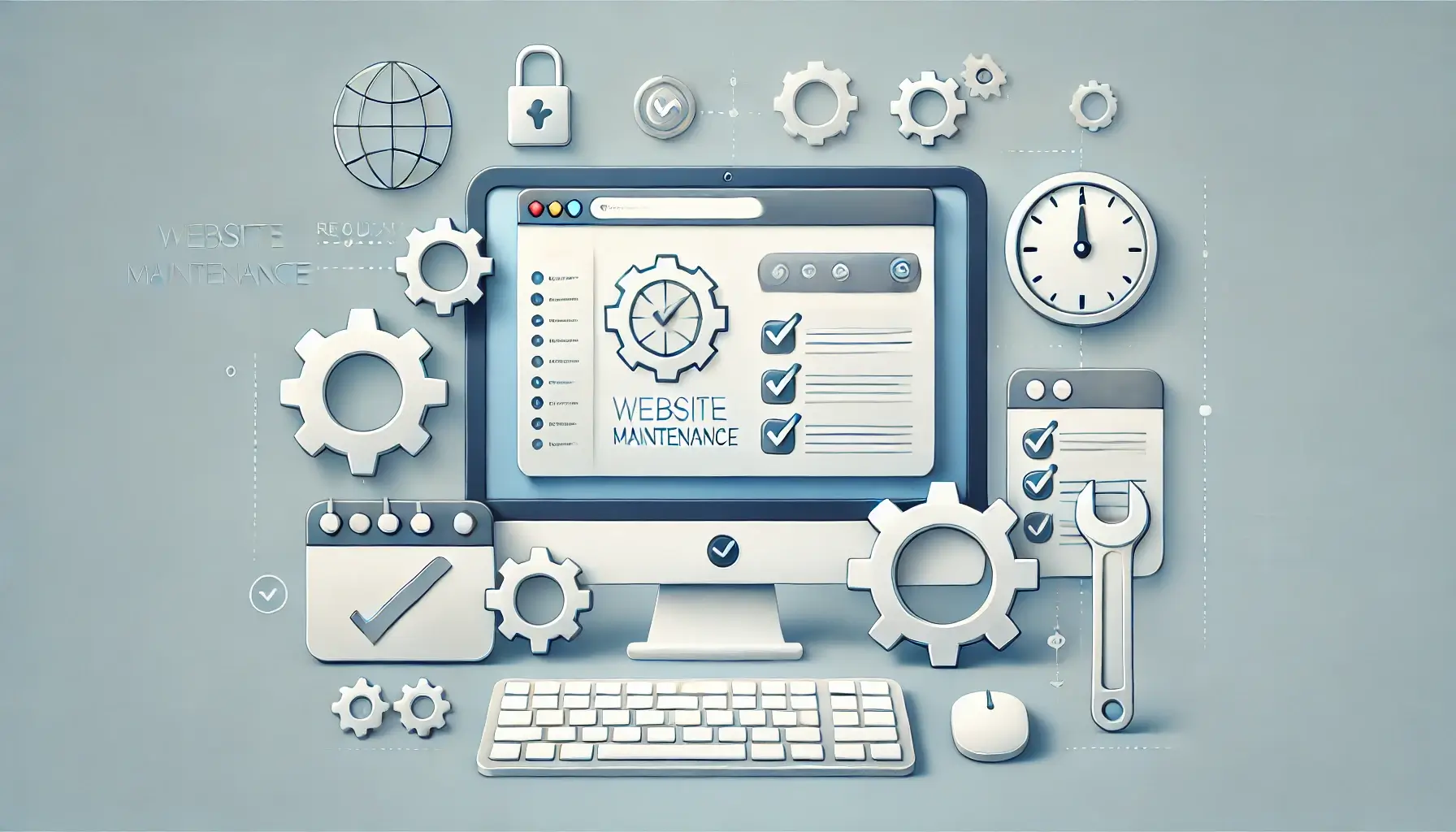
Maintaining a website may seem like a minor task, but in reality, it’s one of the most crucial activities for keeping your site secure, user-friendly, and up-to-date. Regular maintenance involves checking for updates, fixing issues, and ensuring a smooth user experience. To see how maintenance can benefit websites, let’s dive into a practical case study using WordPress.
Why Maintenance Matters
A well-maintained website has the following advantages:
- Security: Regular updates prevent vulnerabilities from being exploited by hackers.
- Performance: Sites with updated components tend to load faster and operate more efficiently.
- User Experience: Functional, updated sites create a positive experience for visitors, building trust.
- SEO Benefits: Search engines favor well-maintained websites, rewarding them with better rankings.
Case Study: Maintaining a WordPress Website
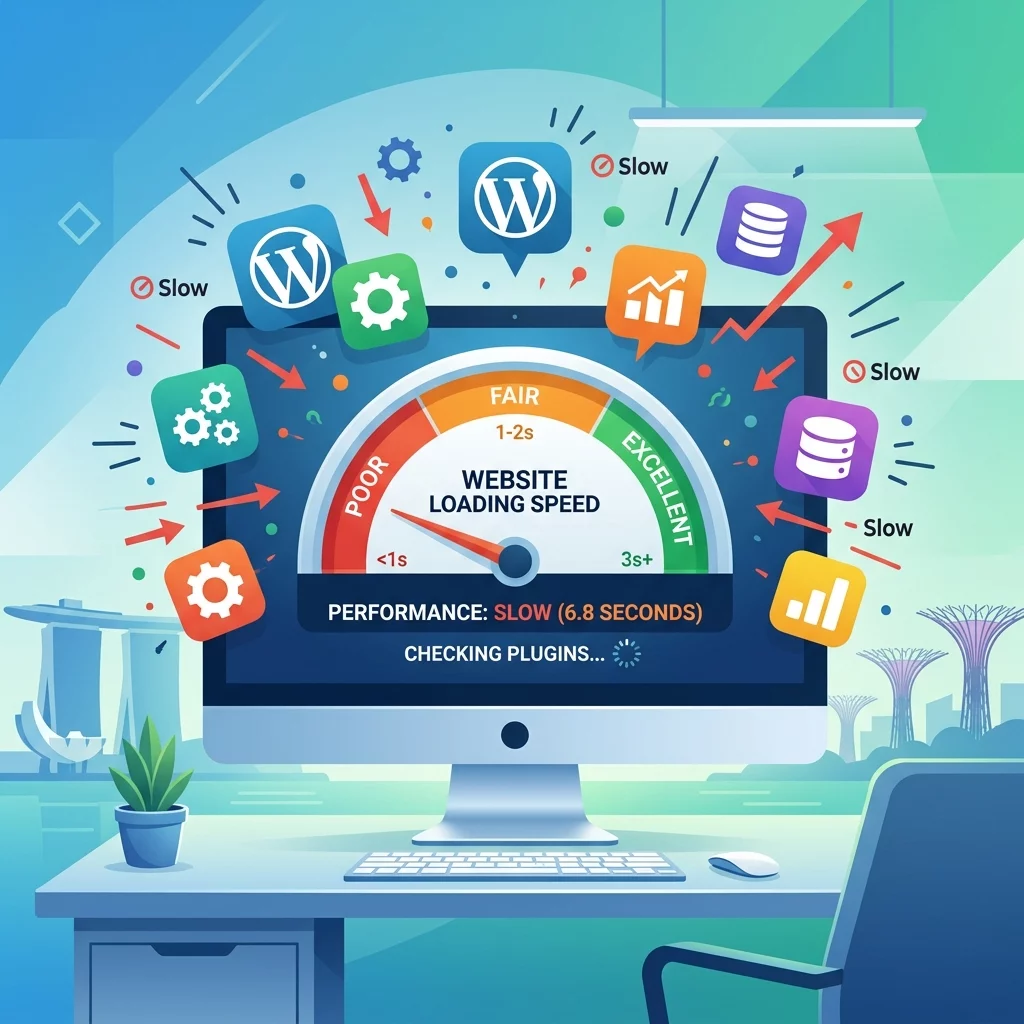
WordPress, as one of the most popular content management systems (CMS), relies heavily on plugins, themes, and core updates. When these components are not regularly updated, the site risks security vulnerabilities, compatibility issues, and slow performance.
1. Updates Are Essential
WordPress plugins and core software receive frequent updates to patch security flaws, add new features, or improve functionality. Ignoring these updates makes a site more susceptible to security risks. In early 2023, a popular WordPress plugin faced a critical vulnerability, affecting over a million sites. Those that updated the plugin immediately stayed secure, while those that delayed were left exposed.
2. Backup Before Updating
Backing up the website before making updates is a best practice. This ensures that, if anything goes wrong during the update process, you can easily restore the previous version of your site. When updating WordPress or a theme, the site might encounter compatibility issues that break certain features. A backup allows a quick revert to the last stable version.
3. Post-Update Checks
Once updates are complete, testing the site’s functionality is essential to ensure everything works as intended. Broken features or layout issues can drive away users. For instance, a WordPress site with an outdated form plugin may not load forms correctly after an update. Testing the site’s forms, links, and other interactive elements guarantees a smooth experience for visitors.
The Bigger Picture: Regular Audits
Beyond just updates, conducting regular audits of your website helps in identifying outdated content, broken links, and performance issues. This proactive approach keeps your site optimized for users and search engines alike.
Final Thoughts
Investing time in regular website maintenance pays off by improving security, reliability, and user experience. Whether using WordPress, Joomla, or a custom-built CMS, maintenance should be viewed as essential to preserving your website’s success.