Creating Personal, Human-First Titles and Meta Descriptions
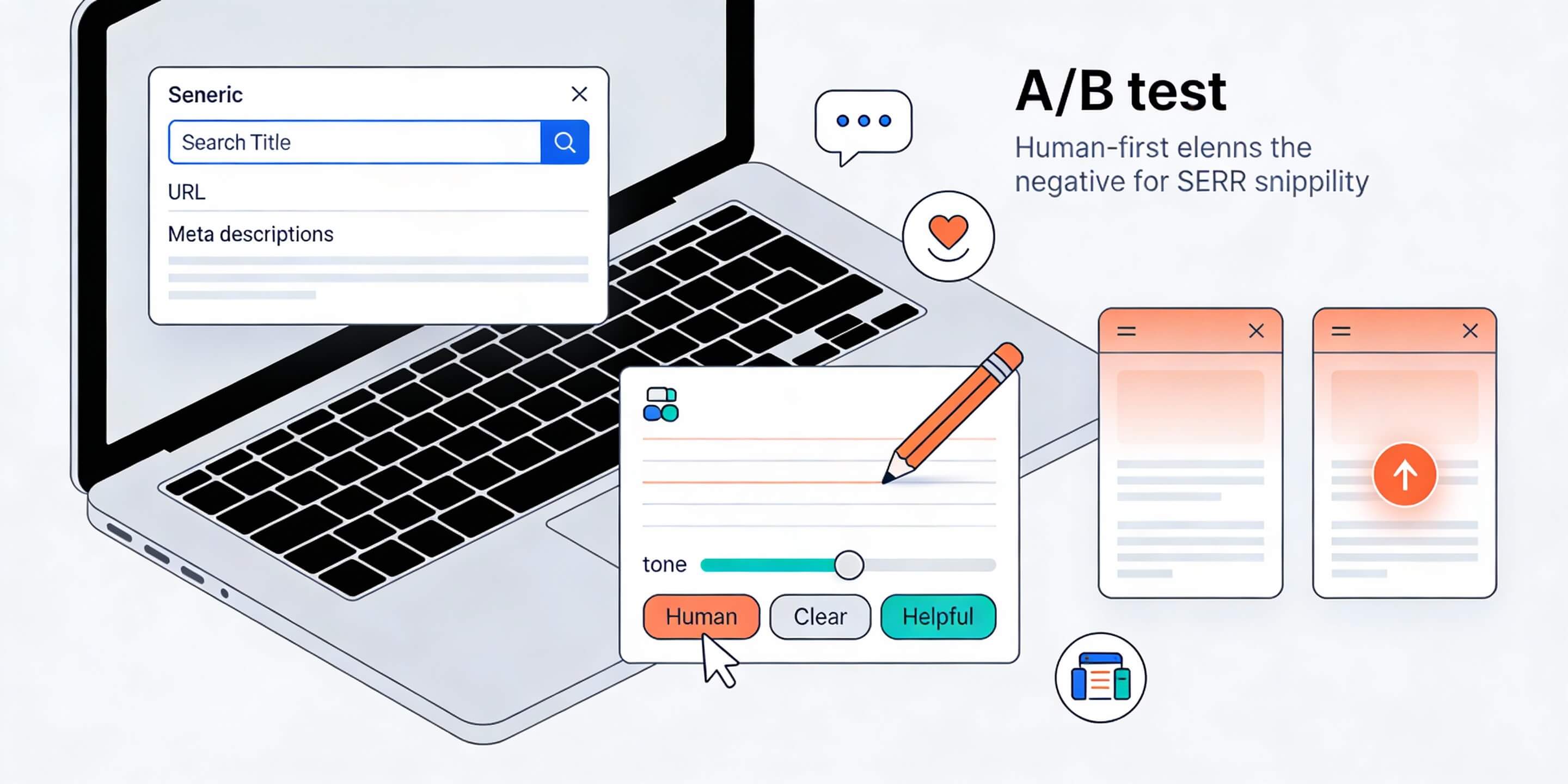
The Shift: From Keywords to Connections
In 2026, the search results page (SERP) is no longer a list of links; it is a battle for attention against AI Overviews. While AI provides facts, humans provide experience. To win the click, your titles and meta descriptions must shift from robotic keyword strings to personal, narrative-driven hooks. This is the essence of building brand authority. If your CTR is dropping, you are likely fixing poor seo optimization when you should be fixing your human connection.
1. The "Power of I": First-Person Titles
Data from 2025-2026 shows that titles written in the first person (“I,” “My,” “We”) significantly outperform generic third-person titles. They signal to the user—and the AI—that this content is rooted in real-world E-E-A-T (Experience, Expertise, Authoritativeness, Trustworthiness).
- Generic: "How to Improve Website Speed for WordPress"
- Personal: "I Fixed My Site Speed in One Weekend – Here is My Exact Process"
- Why it works: It promises a tested solution rather than a theoretical guide. This aligns with speed optimization best practices.
2. Emotional Hooks: Curiosity, Loss, and Relief
Psychology-driven copy taps into deep-seated human emotions. In an AI-saturated world, emotion is the one thing a bot cannot truly replicate.
- Loss Aversion: "Stop Wasting 30% of Your Ad Budget – Fix This Now." Humans fear loss twice as much as they value gain.
- Curiosity Gaps: "The One Script I Deleted That Doubled My Conversions." This forces the user to click to close the "gap" in their knowledge.
- The Relief Hook: "You Don''t Need 10k Followers to Sell – Here is What I Do Instead." This removes a pain point or barrier for the user.
3. Meta Descriptions as Mini-Narratives
Your meta description is no longer just a place for keywords; it is a 155-character trailer for your content. Use effective micro-copy to drive the action.
- The Problem-Solution-Hook: Start with a relatable struggle, mention your specific fix, and end with a curiosity-driven CTA.
- Social Proof Integration: "Join 4,000+ business owners who used my 10-minute check to save their sites." This builds instant social proof.
- Actionable Imperatives: Use verbs like "Discover," "Steal," "Watch," or "Avoid" to tell the user exactly what to do next.
4. Optimizing for AI Overviews and Humans Simultaneously
While you write for humans to get the click, you must still provide clear data for AI Search Overviews.
- The Fact Box: Ensure your first paragraph provides a concise summary that mirrors your meta description.
- Schema Alignment: Use advanced schema markup so AI knows who the "I" in your title refers to (e.g., Author Schema).
- Visual Consistency: If your meta description promises a specific result, ensure the landing page delivers it immediately to avoid a high bounce rate.
5. Testing and Iterating Your "Human" Score
What worked last month might not work today. 2026 SEO requires constant A/B testing of your "humanity."
- Google Search Console: Monitor pages with high impressions but low CTR. These are your prime candidates for a personality-driven rewrite.
- Search Intent Shift: If a keyword shifts from "Informational" to "Persona-Driven," update your title to match. Follow our website audit steps for a deeper dive.
- Weekly Health Check: Use your weekly check to review your top 5 performing titles for any "AI-fatigue."
Human-first titles and meta descriptions are your secret weapon against the "sea of sameness" created by generative AI. By leaning into your personal experience and using psychological hooks, you don''t just rank—you resonate. If your brand needs help finding its human voice or technically implementing these high-CTR strategies, WebCare SG is here to bridge the gap. Contact us today to humanize your search presence.
Related WebCare Solutions
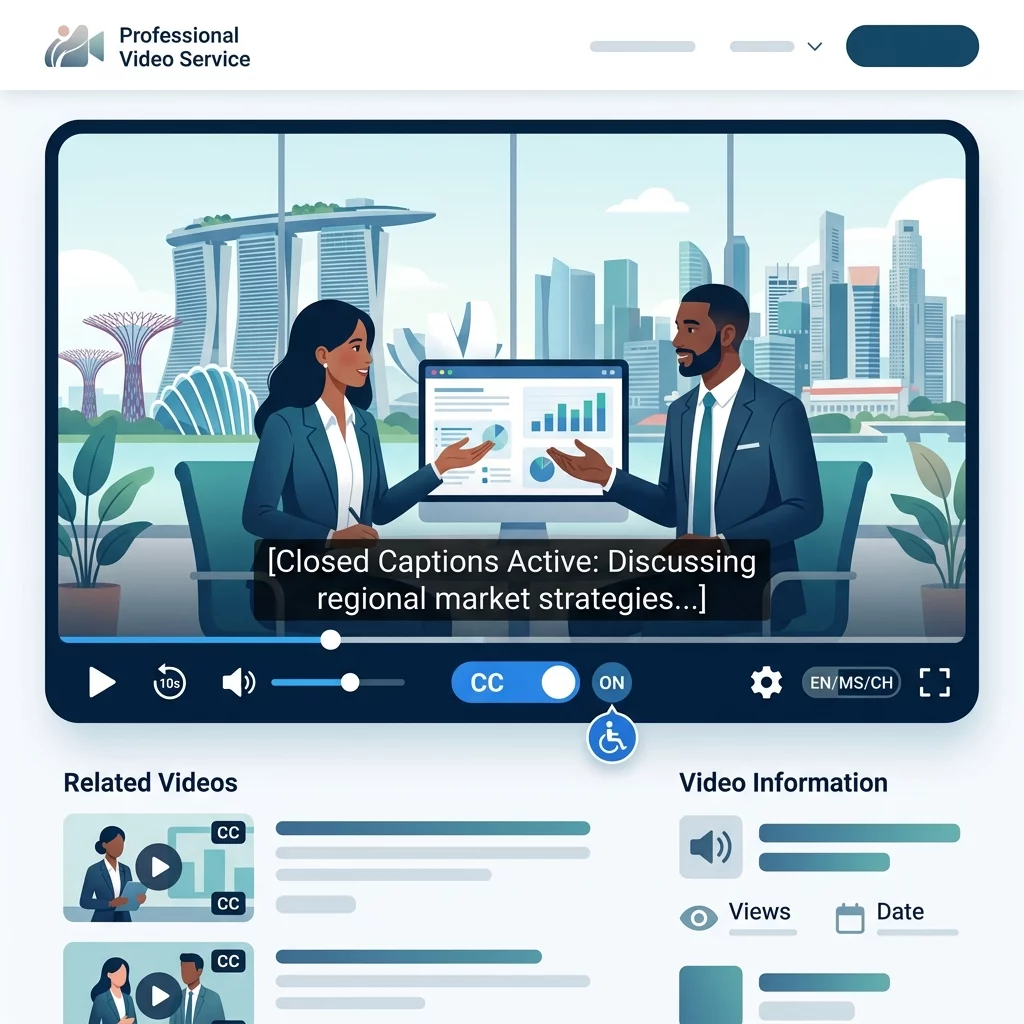
Closed Captions vs. Open Captions: Technical and Accessibility Differences
Learn the key differences between closed captions and open captions, and follow step-by-step instructions to make your Singapore business website videos accessible to all viewers.
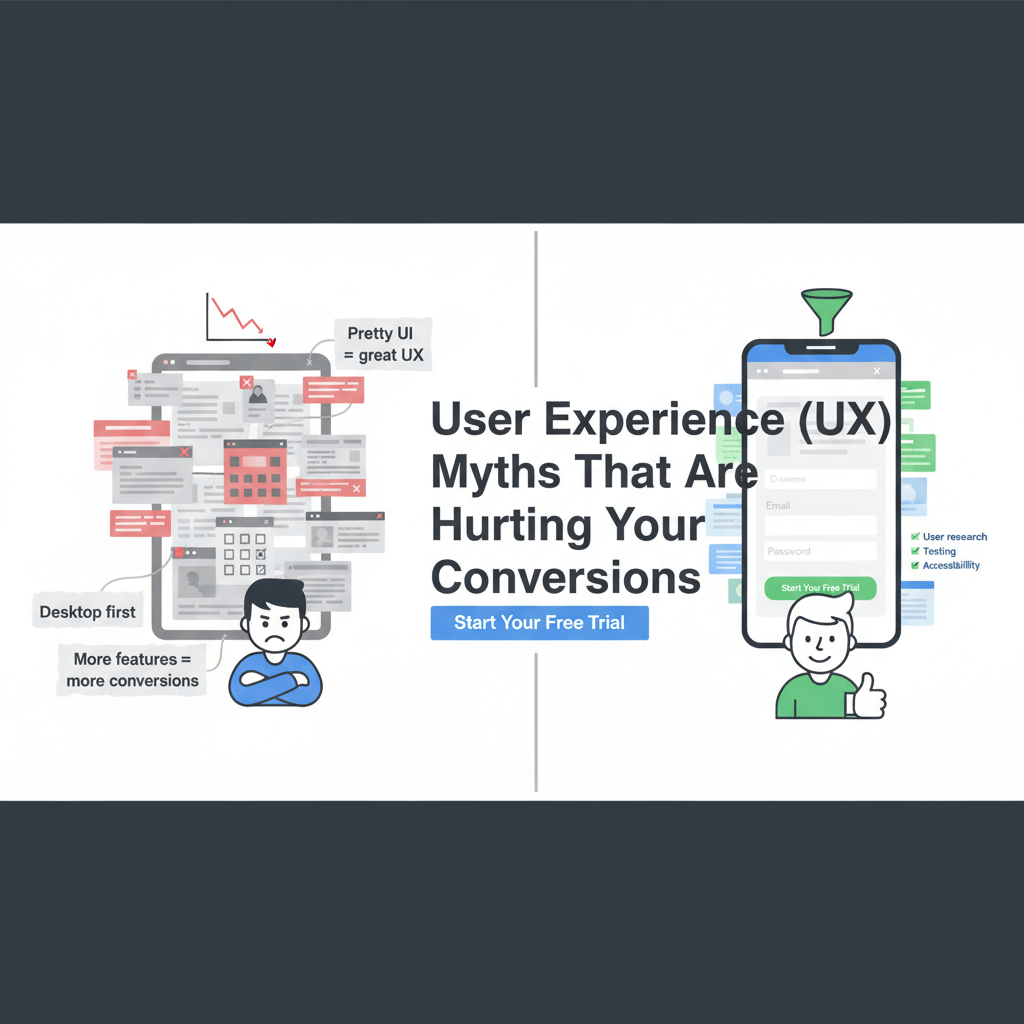
User Experience (UX) Myths That Are Hurting Your Conversions
Debunking common design misconceptions and replacing them with modern, data-driven UX principles to improve user engagement and sales.
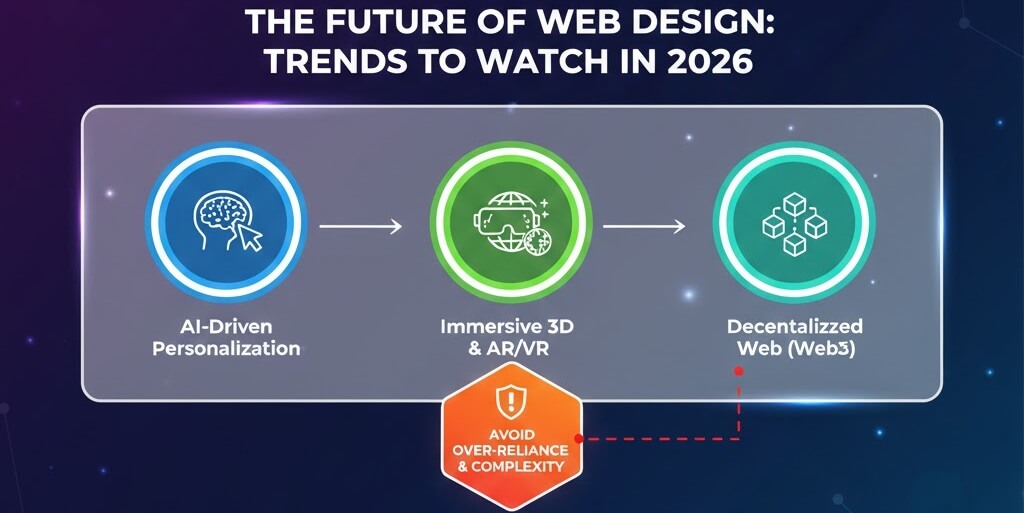
The Future of Web Design: Trends to Watch in 2026
Discover the upcoming web design trends for 2026, including AI-driven personalization, immersive 3D elements, and the evolution of user-centric micro-interactions.
Ready to get started?
Focus on your business while we fix your website. Contact WebCareSG today for fast, reliable solutions!
Whatsapp us on