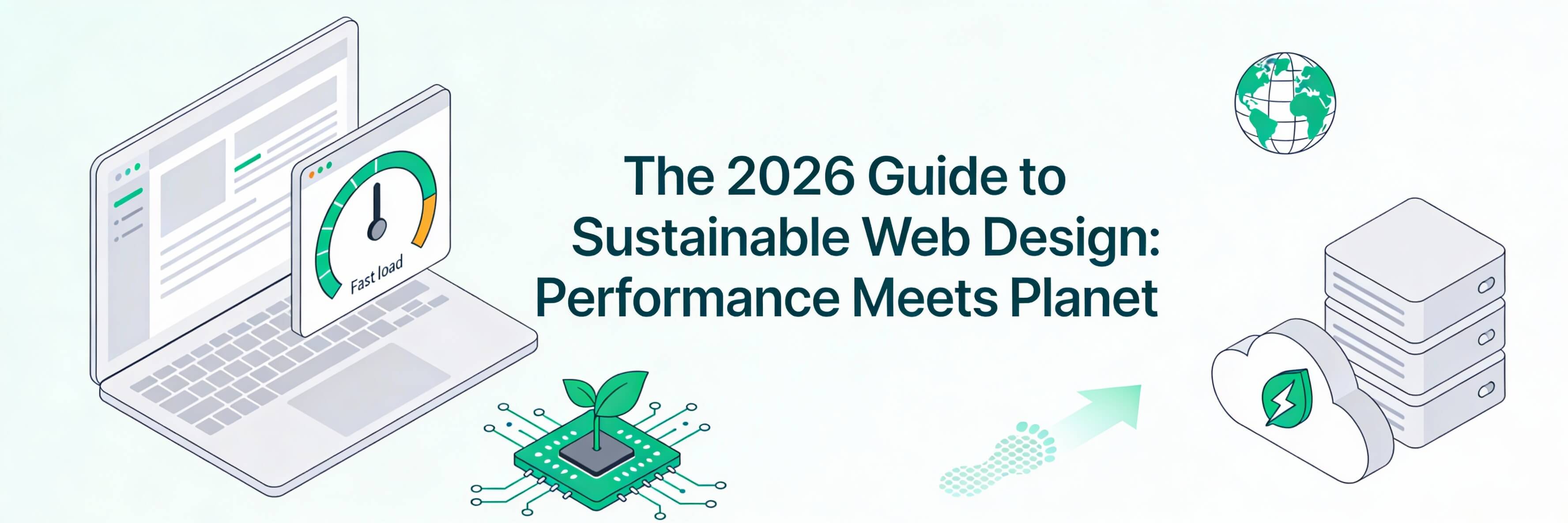
The 2026 Guide to Sustainable Web Design: Performance Meets Planet
Sustainability is the New Standard
In 2026, a "heavy" website isn''t just slow; it''s environmentally irresponsible. The internet is responsible for nearly 4% of global greenhouse gas emissions, and search engines are beginning to reward lean, energy-efficient websites. Sustainable web design is the practice of prioritizing efficiency to reduce the energy required to load a page. This overlap between eco-friendliness and performance means that going green is also a key strategy for speeding up your site and fixing poor seo optimization. This guide explores how to build a site that is good for the planet and your business.
Step 1: Lean Coding and Asset Reduction
Every byte of data transferred requires electricity. By reducing the size of your website''s files, you reduce its carbon footprint.
- Minify Code: Remove unnecessary characters from your CSS, JavaScript, and HTML.
- Eliminate Bloat: Remove unused plugins and themes. This is also a critical security step mentioned in our cybersecurity guide.
- Font Optimization: Use system fonts or variable fonts to reduce the number of font files a browser has to download.
Step 2: Smart Image and Video Management
Images and videos typically account for the bulk of a webpage''s weight. Optimizing them is the fastest way to a sustainable site.
- Use Next-Gen Formats: Convert images to WebP or AVIF. If you haven''t done this yet, learn how to optimize website images.
- Lazy Loading: Only load images as the user scrolls to them. This saves data for users who don''t finish the page.
- Avoid Auto-Play Video: High-definition video backgrounds are energy hogs. Use them sparingly or replace them with high-quality CSS animations.
Step 3: Choosing Green Web Hosting
Your website lives on a server in a data center. These centers require massive amounts of energy for cooling and operation. Switching to a green host is a major win for sustainability.
- Renewable Energy: Look for hosts that use 100% renewable energy or purchase carbon offsets.
- Server Location: Hosting your site close to your audience (e.g., using a Singapore-based server for a local audience) reduces the distance data travels. This is a pillar of local seo for singapore businesses.
- Server Maintenance: An efficient server is a green server. Follow a server maintenance checklist to ensure yours is running at peak efficiency.
Step 4: Improving UX to Save Energy
A sustainable website is an intuitive one. If a user can find what they need in two clicks instead of five, they spend less time on the server, saving energy. This aligns perfectly with building high-converting landing pages.
- Simplify Navigation: Reduce the number of steps to reach a conversion.
- Reduce Bounce Rate: High bounce rates mean users are loading pages that don''t help them. Learn to reduce bounce rate to improve both SEO and sustainability.
- Internal Link Health: Ensure users don''t waste energy clicking on 404s. Regularly identify and fix broken internal links.
Step 5: Ongoing Monitoring and Reporting
Sustainability is not a one-time fix. As you add content, your site''s "carbon weight" can creep up. Regular monitoring is essential.
- Carbon Audits: Use tools like the Website Carbon Calculator to see how your site compares to the global average. This can be part of your website audit.
- Database Optimization: A clean database requires less energy to query. Follow our database cleanup guide.
- Weekly Checks: Include a performance check in your weekly website health check.
Sustainable web design is the intersection of ethical business and technical excellence. By building a leaner, faster website, you provide a better user experience and protect the planet simultaneously. If you want to transform your website into a green, high-performance machine, WebCare SG is here to guide the way. Contact us today for a sustainability and performance audit.
Related WebCare Solutions

Turbocharge Your Website: 7 Simple Steps to Speed Up Your Site Today!
How do you turn that tortoise into a hare? Let’s dive into some effective strategies that will have your website zipping along in no time!

How to Fix Poor Mobile Responsiveness and Keep Users Engaged!
We’ll explore the ins and outs of mobile responsiveness, its impact on user experience, and practical steps to enhance your site’s mobile performance.
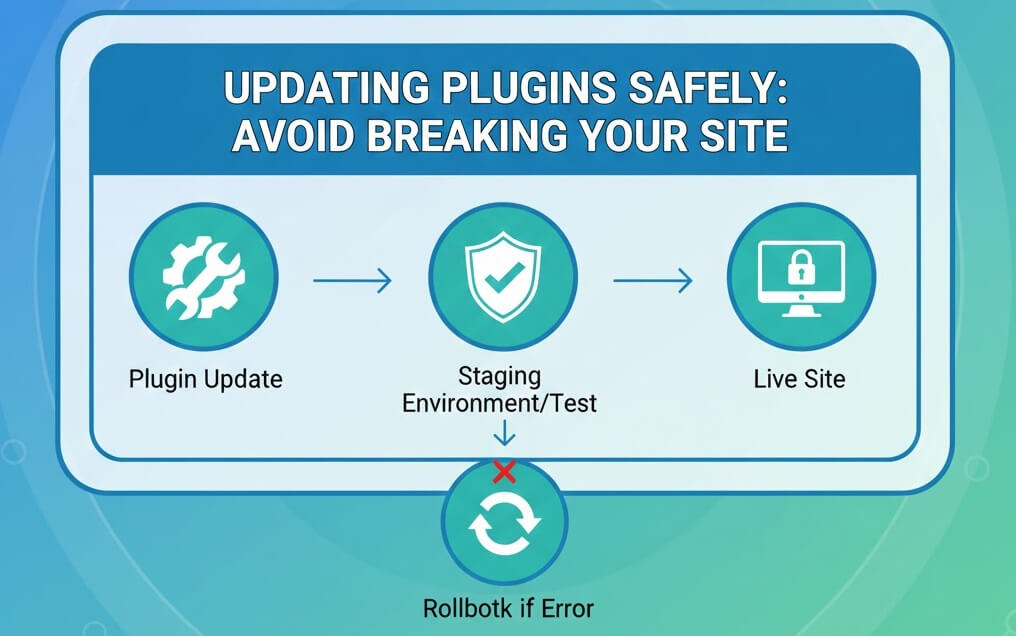
Updating Plugins Safely: Avoid Breaking Your Site
A comprehensive step-by-step tutorial on maintaining WordPress stability through safe plugin update protocols, staging tests, and troubleshooting.
Ready to get started?
Focus on your business while we fix your website. Contact WebCareSG today for fast, reliable solutions!
Whatsapp us on