Running a business in Singapore means competing in one of the most digitally advanced markets in Southeast Asia. Your website is often the first point of contact potential customers have with your brand. If it is outdated, slow, or difficult to use, you are losing business to competitors who have already made the move to modernise their online presence.
But how do you know when it is time to invest in a completely new website rather than trying to patch up the old one? This guide will walk you through the key signs that indicate it is time for a transformation, what to consider before you start, and the steps Singapore business owners should take to make the transition as smooth as possible.
Why Timing Matters in Website Investment
Many business owners delay the decision to rebuild their website because they fear the cost or the disruption. However, delaying too long can actually cost you more in lost sales, poor search rankings, and frustrated customers who click away to a competitor with a better online experience.
A well-timed investment in a new website can dramatically improve your ability to attract and convert customers. Singapore consumers are among the most mobile-first in the world, and they expect websites to load fast, look beautiful on their phones, and be easy to navigate. If your website cannot deliver on these basic expectations, your brand suffers even before the visitor reads a single word of your content.
The key is to recognise the warning signs early and make informed decisions about when and how to invest. This article will give you a practical framework for making that decision with confidence.
10 Signs You Need a New Website
Here are the most common indicators that your current website may be holding your business back.
1. Your Website Loads Slower Than Three Seconds
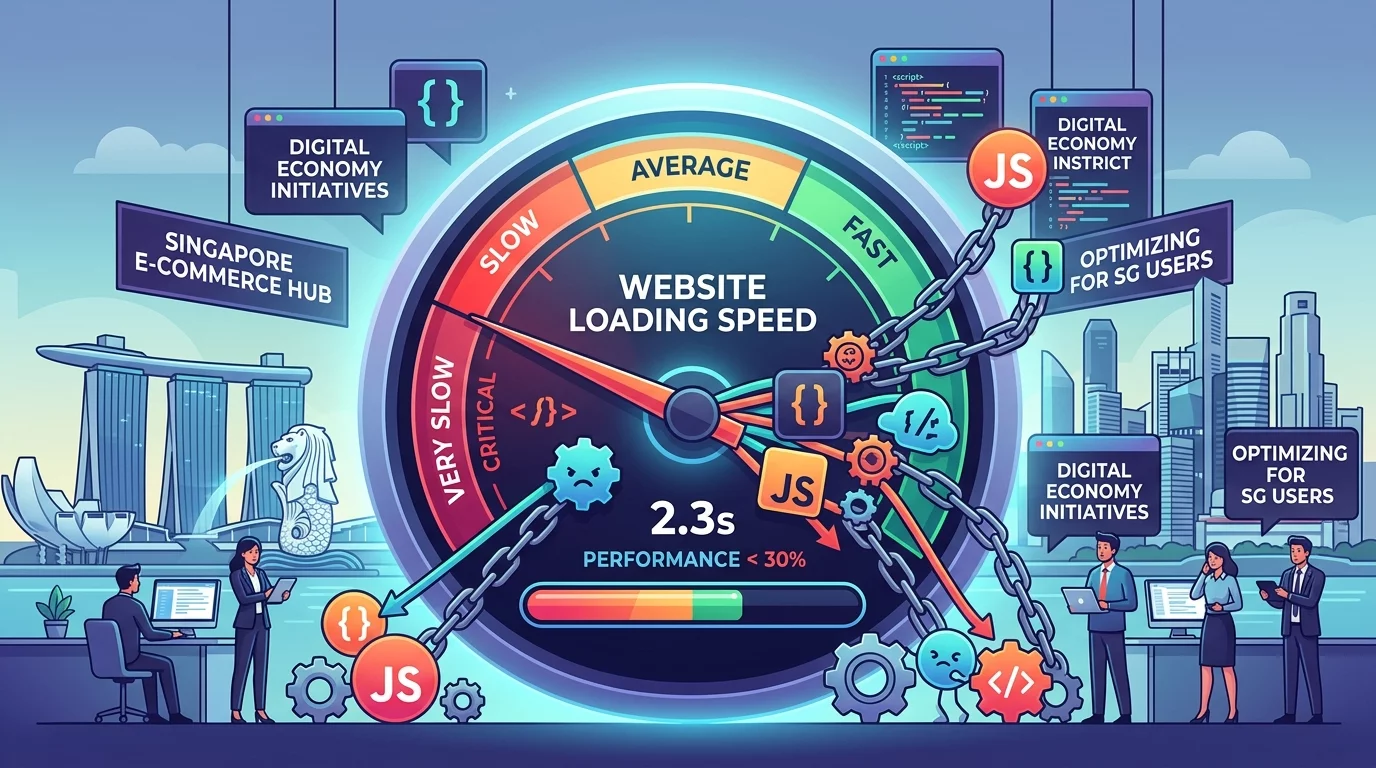
Speed is everything in online business. Studies consistently show that visitors will leave a website if it takes more than three seconds to load. In Singapore, where mobile data speeds are among the fastest in the world, users have zero patience for slow websites. A slow site kills conversions and damages your search engine rankings.
2. Your Website Does Not Work Well on Mobile Devices
More than half of all web traffic in Singapore comes from mobile devices. If your website was built five or more years ago, there is a strong chance it is not properly optimised for phone and tablet users. This means potential customers cannot properly view your products, read your pricing, or contact you through your site on their phones. The result is lost sales and a poor brand impression.
3. You Cannot Update Content Without Hiring a Developer
If every small change to your website requires you to call a web developer and wait days for changes to be made, your website is actively slowing down your business. Modern websites should allow you to update prices, add new blog posts, upload images, and change text without any technical knowledge. If you are still relying on developers for every little update, it is time to move to a platform that gives you full control.
4. Your Search Rankings Have Dropped Significantly
If your website used to appear on the first page of Google for your key products or services but now cannot be found, your site may be using outdated technology that Google no longer favours. Google updates its search algorithm regularly, and older websites built on old coding standards tend to fall in rankings. A new website built with modern SEO practices can help you reclaim your visibility in search results.
5. Your Bounce Rate Is Extremely High
Your bounce rate is the percentage of visitors who leave your website after viewing only one page. A high bounce rate often indicates that visitors are not finding what they expected or that the website is difficult to use. If your analytics show that most people are leaving within seconds of arriving, your website design or content is likely the problem.
6. Your Website Does Not Match Your Current Brand
If your business has evolved, your branding has changed, or you have expanded into new products or services, but your website still looks like it did five years ago, you are sending mixed signals to potential customers. A modern website that accurately reflects your current brand builds trust and credibility with your audience.
7. You Are Getting Frequent Complaints About Navigation or User Experience
When customers struggle to find information on your website, they do not stick around and figure it out. They leave and find a competitor who makes it easier. If you are hearing from customers that they could not find your contact details, could not figure out how to order, or could not locate your address, those are clear signs your website needs a complete redesign focused on user experience.
8. Your Website Security Is Outdated
Security is critical for any business website, especially if you handle customer data, process payments, or collect personal information. Older websites running on outdated content management systems are vulnerable to hacking and malware. Singapore's Personal Data Protection Act requires businesses to take reasonable steps to protect customer data. If your website is not secure, you are not only risking your business but also potentially violating PDPA requirements.
9. You Cannot Integrate With Modern Business Tools
Modern businesses rely on a suite of digital tools including email marketing platforms, customer relationship management systems, accounting software, and social media channels. If your current website cannot integrate with these tools, you are creating extra work for your team and missing opportunities to automate processes and improve customer service.
10. Your Website Is Not Generating Leads or Sales
This is the most important sign of all. If your website is not converting visitors into leads or customers despite significant traffic and marketing efforts, the problem is almost certainly with the website itself. A new website with modern design, clear calls to action, and optimised conversion paths can dramatically improve your return on investment from all your marketing activities.
What to Consider Before You Start
Before you commit to a new website project, there are several important factors to think through.
Define Your Goals Clearly
What do you want your new website to achieve? Common goals include increasing online sales, generating more leads, improving brand awareness, reducing customer service workload, or supporting a new product launch. Being clear about your goals will help you make better decisions throughout the project and ensure your new website is built to deliver real business results.
Understand Your Target Audience
Who are your ideal customers and what do they need when they visit your website? Understanding your audience's behaviour, preferences, and pain points will guide the design, content, and functionality of your new site. For example, a Singapore B2B company targeting decision-makers will need a very different website than a consumer-focused e-commerce store targeting price-conscious shoppers.
Set a Realistic Budget
Website costs in Singapore can vary enormously depending on your requirements. A simple five-page business website might cost a few thousand dollars, while a full e-commerce platform with custom features could run into tens of thousands. Be realistic about what you need and what you can afford. Remember that your website is a business investment, not just an expense. The right website will pay for itself through increased sales and leads.
Choose the Right Platform
There are many website platforms available, and the right choice depends on your technical skills, budget, and business requirements. Popular options for Singapore small businesses include WordPress for flexibility and control, Shopify for e-commerce, and Webflow for more advanced design requirements. Each platform has its strengths and weaknesses. Take time to research and possibly consult with a web professional before deciding.
Steps to Plan Your New Website
Follow these steps to ensure your website transformation goes smoothly.
Step 1: Audit Your Current Website
Before you build something new, understand what is working and what is not on your current site. Review your website analytics to identify high-traffic pages, common user journeys, and conversion bottlenecks. List the features and pages that are essential to keep. Identify the elements that have been causing problems or holding back your business.
Step 2: Research Your Competition
Look at what your top competitors are doing with their websites. Make a list of features they have that you should also include, and identify gaps where you can differentiate yourself. Your website should not just match your competition. It should aim to be better in the areas that matter most to your target audience.
Step 3: Plan Your Content Strategy
Content is the foundation of any successful website. Plan the pages you need, the information each page should contain, and the calls to action you want to include. For Singapore businesses, this means making sure your content speaks to your local audience, addresses their specific needs, and reflects your brand voice and personality.
Step 4: Choose Your Website Partner
Unless you have strong technical skills and ample time to build the site yourself, you will need to work with a website developer or agency. Look for a partner who understands your industry, has experience building websites for Singapore businesses, and can provide case studies or references from past clients. Make sure they use modern technologies and follow best practices for design, SEO, and security.
Step 5: Plan the Migration Carefully
Moving from your old website to a new one needs to be carefully planned to avoid losing search rankings and breaking existing links. Set up your new website on a temporary URL so you can build and test it before going live. Create redirect rules so that old URLs point to the appropriate new pages. Submit your new sitemap to Google Search Console as soon as the site goes live. Inform your existing customers about your new website through email and social media.
Step 6: Test Thoroughly Before Launch
Before you make your new website live, test every page, every link, every form, and every transaction to make sure everything works correctly. Ask friends and employees to test the site and provide feedback. Check that the site looks good on different browsers and devices. Make sure all your content is in place and correctly formatted before you flip the switch.
Step 7: Monitor Performance After Launch
Once your new website is live, monitor its performance closely. Watch your analytics to see if traffic, bounce rates, and conversions are improving. Gather feedback from customers about their experience on the new site. Be prepared to make adjustments in the weeks and months following the launch to optimise performance further.
Common Mistakes to Avoid
Many Singapore business owners make expensive mistakes when building a new website. Here is how to avoid them.
Do not choose a website builder based solely on price. The cheapest option is rarely the best value when you consider the long-term costs of poor performance, limited features, and difficult maintenance. Do not try to include every possible feature on day one. Start with the essentials and add more features as your business grows and your understanding of user needs deepens. Do not ignore mobile users. Every page on your website should be designed with mobile users in mind first, not as an afterthought. Do not copy content directly from other websites. Original, well-written content that speaks to your specific audience is essential for building trust and improving search rankings.
Do not neglect your website after launch. A website is a living business asset that requires regular updates, security monitoring, and performance optimisation to continue delivering value over time.
The Cost of Doing Nothing
Some business owners convince themselves that their current website is good enough and that they can put off the investment for another year. This approach is almost always more expensive in the long run. Every month you operate with an outdated website, you are losing potential customers to competitors, damaging your brand reputation, and falling behind in search rankings that can take years to recover.
The cost of a new website is an investment in your business growth. When you calculate the potential return from increased conversions, higher search rankings, and better customer experiences, the decision becomes much clearer.
If you still need help, feel free to contact us at https://webcare.sg/contact for a free website health check.