How to Write Product Descriptions That Sell: A Singapore E-Commerce Guide
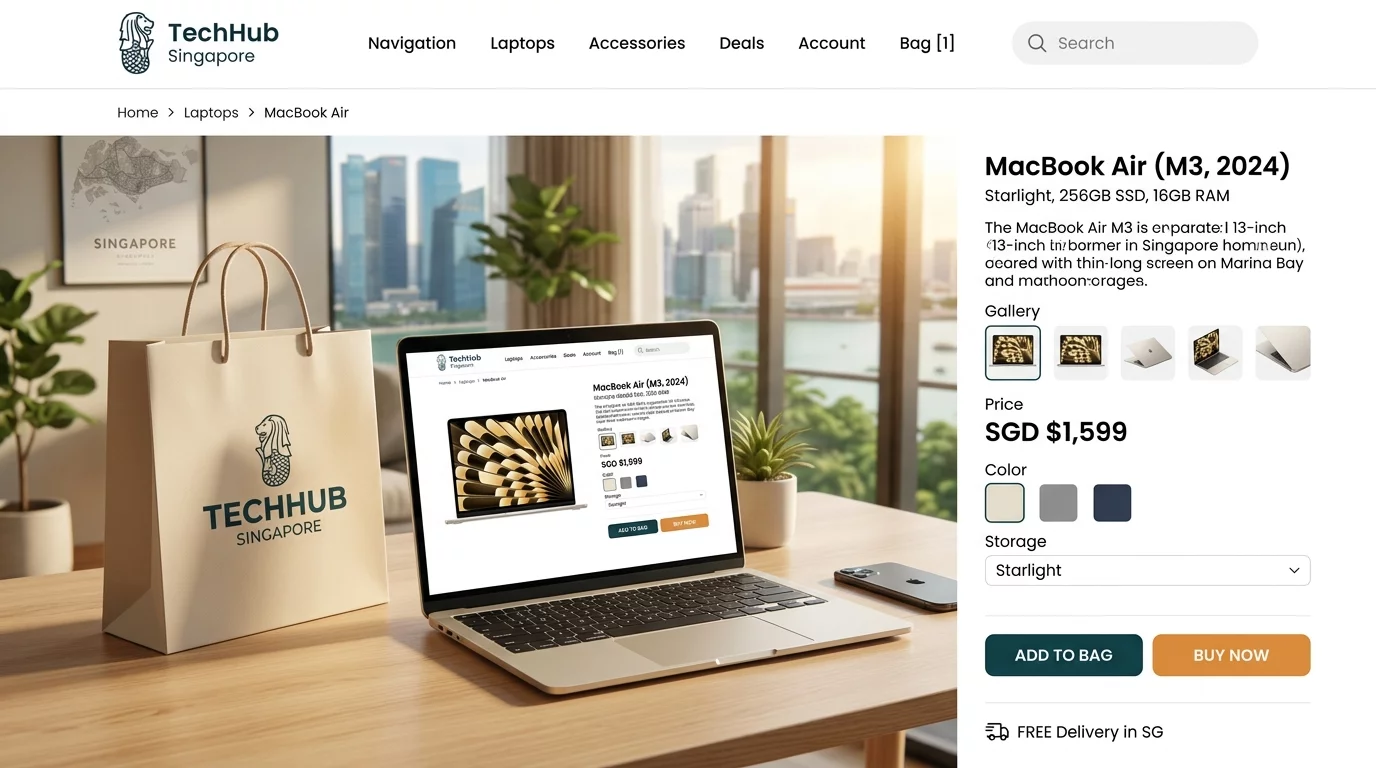
When a customer lands on your product page, you have about five seconds to convince them to stay and buy. In Singapore's crowded e-commerce market, where competing against Lazada, Shopee, and hundreds of other online stores is the daily reality, weak product descriptions are one of the biggest reasons potential customers click away without buying. Many Singapore business owners pour money into Facebook ads and Google Shopping campaigns, only to watch potential sales vanish because their product pages fail to answer the questions buyers have before committing to a purchase. This guide walks you through exactly how to write product descriptions that sell, even if you have never done any copywriting before.
The difference between a product page that gathers dust and one that converts browsers into buyers often comes down to three things: whether your description addresses customer concerns, whether it highlights the right benefits in the right order, and whether it helps customers visualise using your product in their own lives. Best of all, you can fix all three starting today, without spending a single dollar on agencies or writers. This is one of the highest-return changes you can make to your online store with zero budget.
Step 1: Research What Your Customers Actually Want to Know
Before writing a single word of description, you need to understand what your target customers are actually asking. Singapore shoppers are savvy. They read reviews, compare features across multiple sites, and often already know what they want before they land on your page. Your job is to answer their questions before they have to ask them.
Start by listing the five most common questions you receive from customers through WhatsApp, email, or your shop's chat function. If you do not have a lot of direct questions yet, search your own product category on Lazada and Shopee and read the Q&A sections and reviews for products similar to yours. Look for patterns in what reviewers mention positively and negatively. Reviews that say things like "wish they mentioned it runs small" or "arrived broken due to poor packaging" tell you exactly what concerns your customers have that your description should address upfront.
Create a simple document or even a note on your phone listing the top five questions you find. These become the foundation for every product description you write going forward. When you know what people are worried about, you can speak directly to those concerns and remove the final objections that stop them from buying.
Step 2: Structure Your Description Using the Four-Part Framework
Effective product descriptions for Singapore e-commerce follow a simple four-part structure that works regardless of what you are selling. Once you learn this pattern, you can apply it to every product on your site.
The first part is the opening hook, which is a single sentence that captures the main benefit of your product in a way that feels personal to the customer. Rather than starting with "This的手袋 is made from premium leather," try starting with "Whether you are heading to a client dinner in Orchard Road or a weekend getaway in JB, this bag keeps you looking polished without the effort." The hook immediately connects the product to a situation your customer recognises.
The second part is the features section, where you list the factual specifications of the product. Include materials, dimensions, capacity, weights, colours, and anything that can be measured or confirmed objectively. Singapore shoppers appreciate specifics, especially for products like electronics, bags, clothing, and home goods where dimensions and capacity matter for daily use. Write "Holds up to 15 litres" instead of "Spacious design." Write "USB-C fast charging, full charge in 2 hours" instead of "Long battery life."
The third part is the benefits section, and this is where most Singapore small business owners fall short. Benefits are not features. A feature is what the product has. A benefit is what the product does for the customer. For example, a feature might be "6000mAh battery capacity." The benefit is "Charge your phone three times without hunting for a power socket, even on the longest days atradeshows in Marina Bay." Always translate every feature into at least one concrete benefit that matters in your customer's daily life.
The fourth part is the social proof and reassurance section. In Singapore, where online trust is still building for many smaller stores, including reassurances matters enormously. Mention your return policy, your local customer support availability, warranty if applicable, and any customer statistics if you have them. Even "Over 500 happy customers in Singapore since 2021" adds meaningful credibility. If you have photos from real customers (with permission), include those too.
Step 3: Write Benefits That Paint a Picture of Daily Life
One of the most powerful techniques in product description writing is painting a picture. Instead of simply listing what a product does, describe a specific moment in your customer's life where your product makes something better. Singapore customers respond well to descriptions that acknowledge real local contexts.
Consider a portable fan sold on a Singapore e-commerce site. A generic description might read "Portable USB fan with 8-hour battery life." A better description reads "Singapore heat waits for no one. This fan fits in your handbag and runs for 8 hours on a single charge, so whether you are stuck on the MRT in a packed Circle Line carriage or waiting outside a Clementi coffee shop in the afternoon heat, you stay cool without constantly fanning yourself with a folded map."
Notice how the second version does three things at once. It acknowledges a real Singapore context, it shows the product in action, and it removes an implicit objection ("will it actually keep me cool when I need it?"). When you write descriptions this way, customers can immediately see themselves using your product. That visualisation is what drives clicks and conversions.
Step 4: Use Numbers and Specifics Wherever Possible
Vague descriptions create doubt. Specific details build confidence. When you are explicit about numbers, measurements, and concrete outcomes, you give customers the factual basis they need to make a buying decision. In Singapore's competitive market, customers comparing products across multiple shops will always prefer the one that gives them more real information.
Instead of writing "High-capacity power bank," write "20,000mAh capacity charges an iPhone 15 from zero to full 3.5 times, a Samsung S24 Ultra 3.2 times, or a Pixel 8 Pro 3.8 times before you need to recharge." Instead of writing "Comfortable running shoes," write "Extra cushioned midsole absorbs impact on hard pavement, reducing foot fatigue by up to 40 percent during runs longer than 5km."
The same specificity applies to physical products. Instead of "Spacious bag," write "Internal compartment fits a 14-inch laptop, a water bottle, and a small umbrella with room to spare for a notebook and pencil case." Instead of "Durable phone case," write "Tested against drops onto tile floors from 1.5 metres, with reinforced corners that absorb impact and keep your screen intact." Specificity signals quality and transparency, both of which build the trust that turns browsers into buyers.
Step 5: Format for Easy Scanning on Mobile
More than 70 percent of Singapore e-commerce traffic comes from mobile devices. Your customers are reading your product descriptions on their phones while commuting on the MRT, scrolling during lunch breaks, or comparing products while standing in a retail store. This means your description must be easy to scan in under thirty seconds.
Use short paragraphs of two to three sentences maximum. Break your description into clearly separated sections using bullet points or numbered lists. Bold the most important phrases so scanners can pick up key benefits even when they are not reading every word. Avoid long walls of text that require sustained reading to absorb. If a customer cannot get the core value proposition of your product in three seconds of scanning, you have already lost them.
Format your bullet points to highlight the benefits first, then the specs. Start each bullet with an action-oriented benefit phrase. For example, "Keeps food fresh for up to 12 hours with double-seal technology" rather than "Double-seal technology preserves food freshness for up to 12 hours." The benefit-first format captures attention before diving into the technical detail.
Step 6: Add a Clear Call to Action in Your Description
Every product description should end with a gentle but clear invitation to take the next step. This does not mean being pushy or aggressive. It simply means reminding the customer what to do next and making that next step feel natural and easy.
End your description with a simple sentence that summarises the main benefit and directs them to the buy button. For example, "Ready to upgrade your daily commute with a bag that keeps everything organised and still looks sharp when you arrive? Tap Add to Cart and we will have it at your doorstep in Singapore within two to five working days."
Including your local delivery timeframe is particularly effective for Singapore customers, who have come to expect fast delivery from major platforms like Lazada and Shopee. When you mention your own delivery timeline, you reduce the perceived risk of ordering from a smaller or lesser-known store.
Step 7: Optimise Your Product Titles for Search and Clarity
While product descriptions are crucial, the product title is what customers see first in search results on Google Shopping, Lazada, Shopee, and your own website. A great product title tells customers exactly what the product is, who it is for, and what makes it distinctive, all within about 60 characters.
A good Singapore e-commerce product title follows this formula: [Product Type] + [Key Feature or Material] + [Target User or Use Case] + [Size or Quantity if relevant]. For example, "Thermal Lunch Bag — Insulated Food Container for Office Workers, 5L Capacity, Grey" tells a commuter exactly what they need to know in one glance. Avoid stuffing titles with keywords that do not add meaning. "Best Popular Hot Sale Thermal Lunch Bag Insulated Food Container 2024" sounds desperate and actually hurts your search performance on platforms that detect keyword stuffing.
Step 8: Review and Refresh Your Descriptions Regularly
Product descriptions are not a one-time task. They need to evolve as your product range changes, as customer questions reveal new objections, and as your competitors raise the bar. Set a reminder to review your top-selling product descriptions every quarter.
During each review, check your Q&A sections, reviews, and customer feedback for new common questions that are not yet answered in your description. Update your social proof sections if your customer count or review count has grown. Refresh your benefits language if you have found new and more specific ways to describe what your product does for your customers. Treat your product descriptions as living documents that improve over time rather than static copy that gets written once and forgotten.
If you notice a particular product has a high return rate or generates many customer questions, that is often a signal that the description is not doing its job well enough. When customers are confused about what a product does, its size, or its compatibility, they often simply return it rather than reaching out to ask. A description that pre-empts those questions reduces returns and increases customer satisfaction simultaneously.
Writing product descriptions that sell is one of the most cost-effective skills a Singapore e-commerce business owner can develop. You do not need to hire a copywriter, sign up for expensive courses, or spend hours staring at a blank page wondering where to start. By following the eight steps above, systematically researching what your customers want to know, structuring your descriptions to address concerns before they arise, and painting vivid pictures of your product in your customers' daily lives, you can dramatically improve your conversion rate starting with your very next update.
If you still need help, feel free to contact us at https://webcare.sg/contact for a free website health check.
Related WebCare Solutions
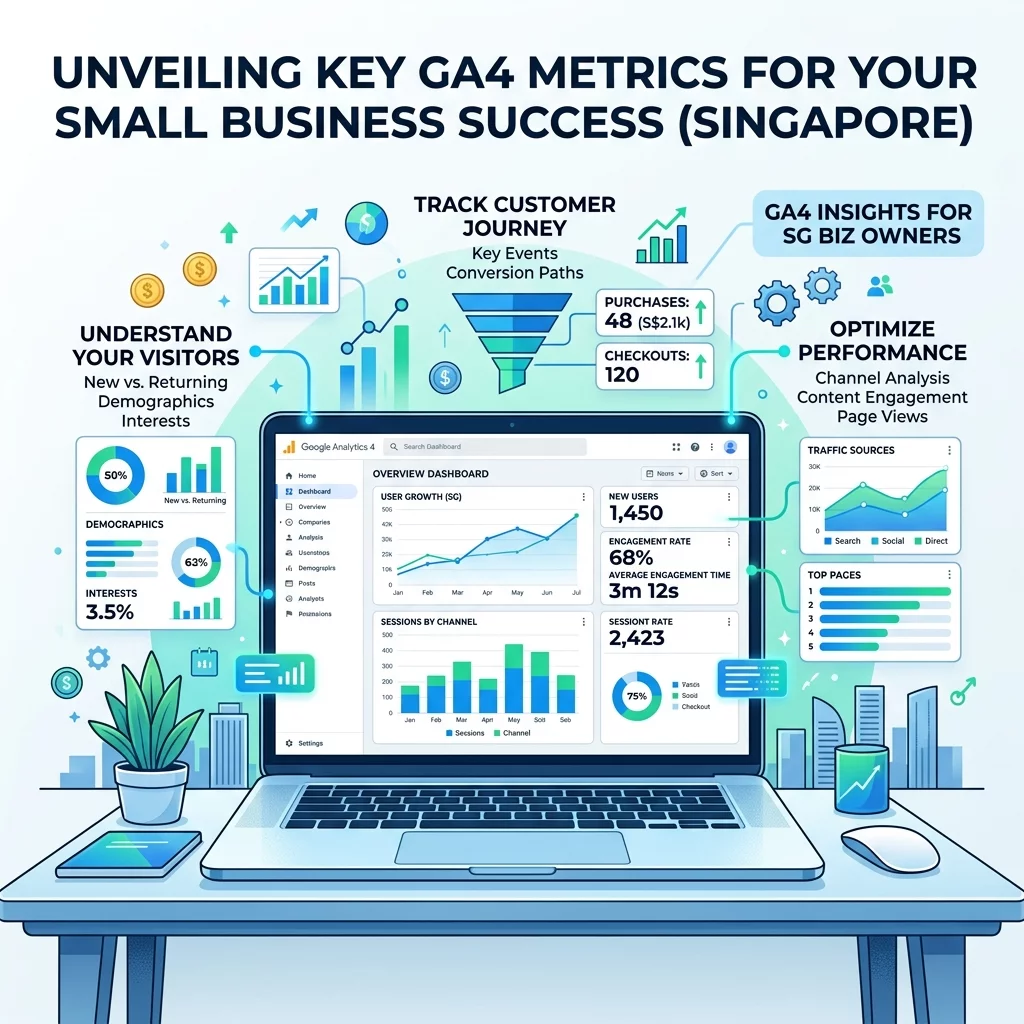
Bounce Rate is Dead: What Metrics Should You Actually Track in GA4?
Google Analytics 4 has replaced bounce rate with engagement metrics. Learn which GA4 metrics Singapore business owners should actually track to make better data-driven decisions for their websites.
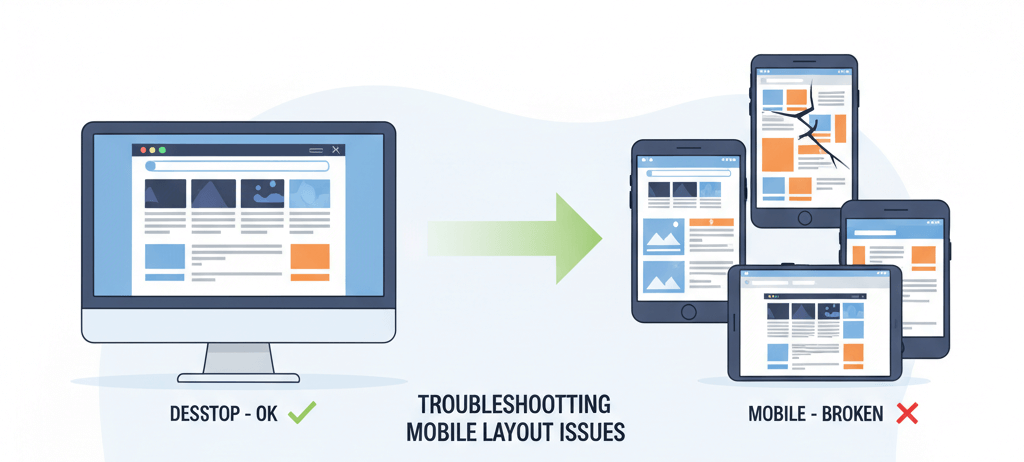
Mobile Layout Looks Wrong but Desktop is Fine: A Responsive Design Troubleshooting Guide
Inspect responsive breakpoints, viewport meta tag, mobile-specific CSS, and plugin/theme mobile settings causing layout shifts.
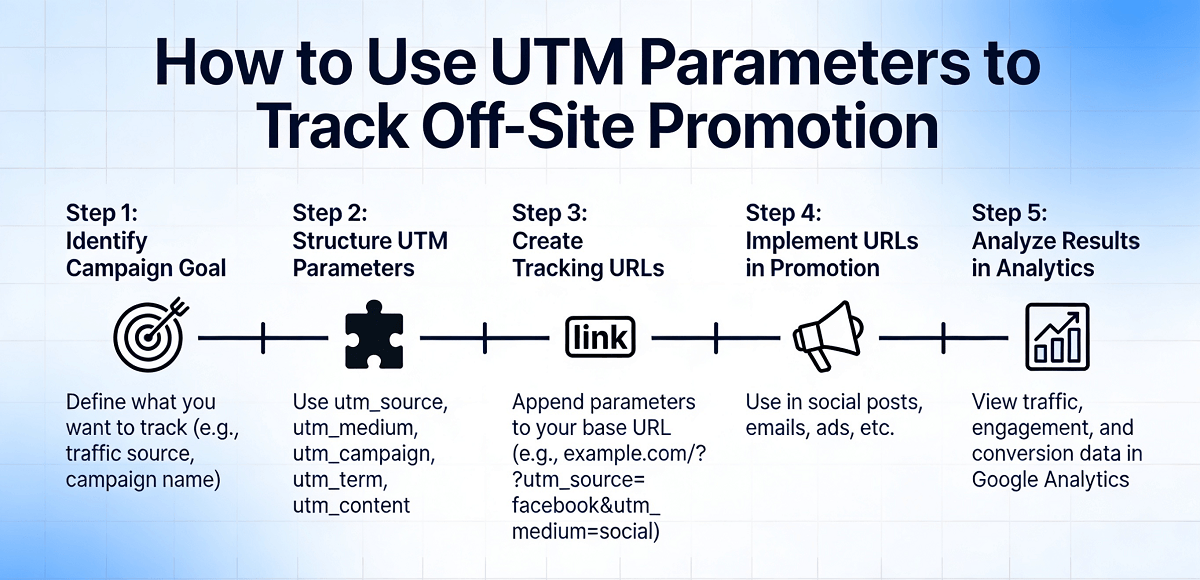
How to Use UTM Parameters to Track Off-Site Promotion
Learn how to use UTM parameters to accurately track which marketing channels bring visitors to your website. This step-by-step guide is written for Singapore business owners with no technical background, covering everything from setting up your first UTM URL to analyzing the data in Google Analytics.
Ready to get started?
Focus on your business while we fix your website. Contact WebCareSG today for fast, reliable solutions!
Whatsapp us on