WordPress Contact Form Submissions Not Arriving in Inbox
There are few things more disheartening for a business owner than a silent contact form. You’ve done all the work to attract visitors to your website and get them to fill out a form, but their messages never arrive in your inbox. The reasons for this frustrating problem are varied, from simple misconfigurations in your form plugin to complex server-side issues that cause your emails to be flagged as spam. The default WordPress mail function is often unreliable and can be the source of the problem. This guide will provide a practical, step-by-step checklist to help you diagnose and fix contact form email issues, ensuring you never miss a lead or a customer inquiry again. This is a crucial step to follow after you've made sure your server maintenance checklist is complete.
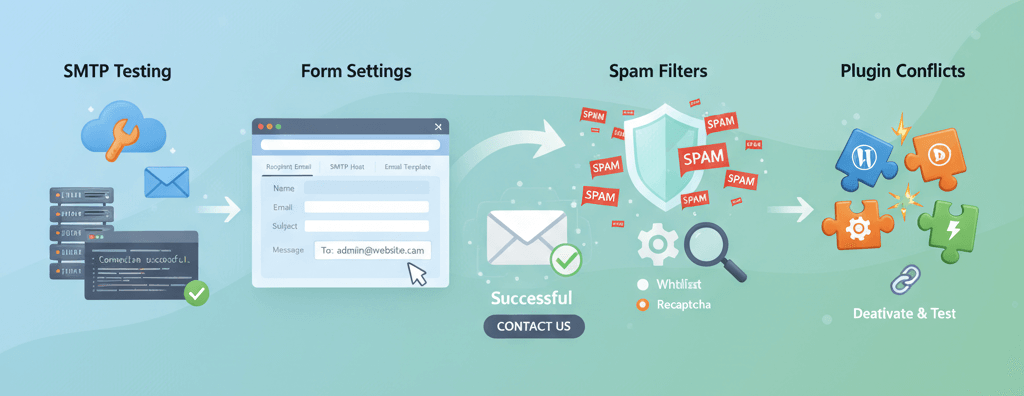
Step 1: The Simple Fixes (Check Spam and Form Settings)
Before you dive into the more technical solutions, start with the simplest checks. Sometimes, the problem is a minor misconfiguration in your form settings or an oversight with your email client. This is similar to how you would fix other issues with your website's forms, such as removing spam comments.
- Check Your Spam or Junk Folder: It may sound obvious, but the first place to check is your spam or junk folder. The email may have been flagged as spam by your email client.
- Check the Form's "To" Email Address: Go to the settings of your contact form plugin (e.g., Contact Form 7, WPForms, or Gravity Forms) and ensure that the "To" email address is spelled correctly and is the one you are actively checking. A simple typo can be the cause of the problem.
- Verify the "From" Email Address: Many contact form plugins allow you to set a "From" email address. This should be an email address from your domain (e.g.,
[email protected]). Using a public email address (like[email protected]) can cause your email to be flagged as spam by the receiving server.
Step 2: Configure SMTP to Bypass Default Mail
The most common and effective solution is to force WordPress to use a secure, authenticated method for sending emails. An SMTP (Simple Mail Transfer Protocol) plugin will bypass your web server’s mail function and use a dedicated email service to send your emails. This ensures that your emails are sent securely and are much less likely to be flagged as spam. This is a crucial fix that can help you with other issues as well, as noted in our guide on Fix WordPress Emails Not Sending.
- Install a Plugin: The most popular and reliable plugins are WP Mail SMTP and Post SMTP. Install and activate one of them.
- Configure the Plugin: You will need to get the SMTP credentials from your email provider or host. This information usually includes:
- SMTP Host: The server address (e.g.,
smtp.gmail.com). - SMTP Port: Usually 465 (for SSL) or 587 (for TLS).
- Encryption: SSL or TLS.
- SMTP Username: Your full email address.
- SMTP Password: The password for that email account.
- SMTP Host: The server address (e.g.,
- Send a Test Email: After entering the credentials, most plugins will have an option to send a test email. Send one to yourself to confirm that the setup is working correctly. This is a key step that can help you with other issues as well, such as WordPress password reset emails not being received.
Step 3: Test for Plugin Conflicts
If you've configured SMTP and are still not receiving emails, a plugin conflict may be the culprit. A conflict can occur when two plugins try to perform the same function or when a plugin's code is incompatible with another. This is similar to how you would troubleshoot a blank homepage.
- Disable Plugins One by One: Deactivate all your plugins and send a test email. If it works, you know a plugin was the cause. You can then reactivate them one by one, sending a test email after each reactivation, until you find the culprit.
- Use an Email Log Plugin: A plugin like WP Mail Logging can help you track every email sent by your website. This can help you diagnose if an email is even being sent at all, or if it is being blocked by your server.
When to Call the Experts
While these steps will fix most contact form email issues, some problems can be more complex. If you are not comfortable editing your website's files or if your emails are still not being delivered despite your best efforts, it is time to call in a professional. An expert can diagnose complex issues, such as a server-side firewall rule blocking outbound mail or a misconfigured DNS record, and ensure your emails are delivered correctly. This is a clear example of a situation where DIY website fixes can make things worse and is one of the clearest 5 signs you need professional help to fix your website.
If you’re still having trouble, don’t worry! WebCare SG is here to help. Contact us today for fast and reliable website fixes.
Related WebCare Solutions
How to Prevent Your Website from Breaking (Checklist)
A comprehensive checklist of best practices to ensure your website's stability, minimize errors, and prevent common issues that can lead to downtime.
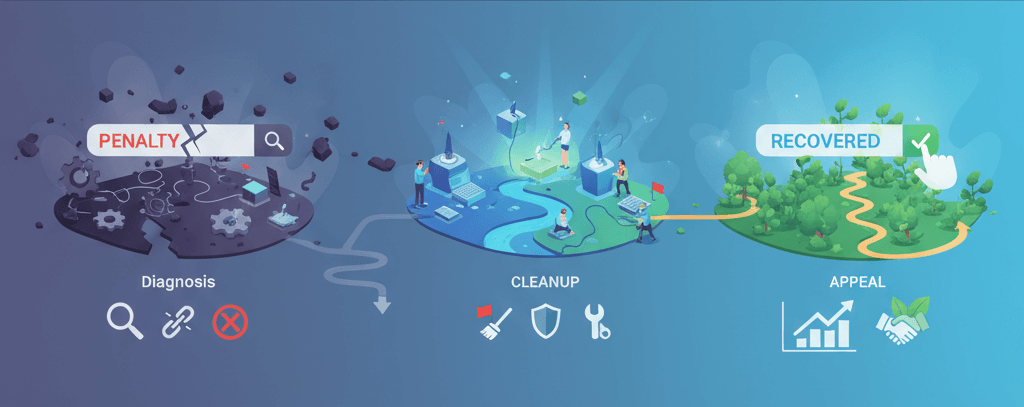
Recover from a Google Search Penalty: Diagnosis and Appeal Steps
A step-by-step guide to diagnosing and recovering from a Google search penalty, including how to distinguish between manual and algorithmic penalties and the essential steps for cleanup and reconsideration requests.
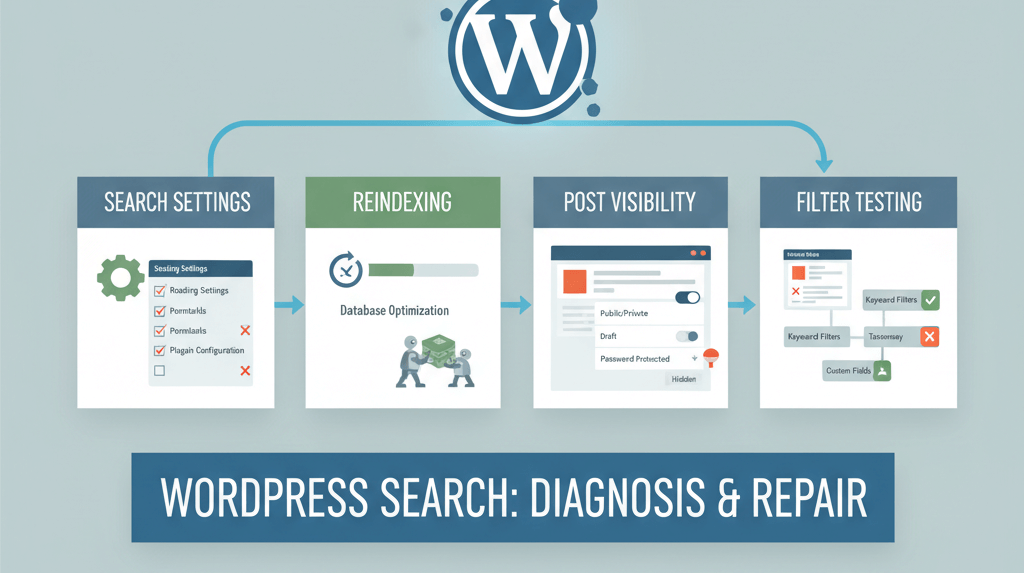
Search on Site Returns No Results or Wrong Items
A comprehensive guide to troubleshooting and fixing why your WordPress site search isn’t working, with steps to check settings, reindex content, and confirm post visibility.
Ready to get started?
Focus on your business while we fix your website. Contact WebCareSG today for fast, reliable solutions!
Whatsapp us on